
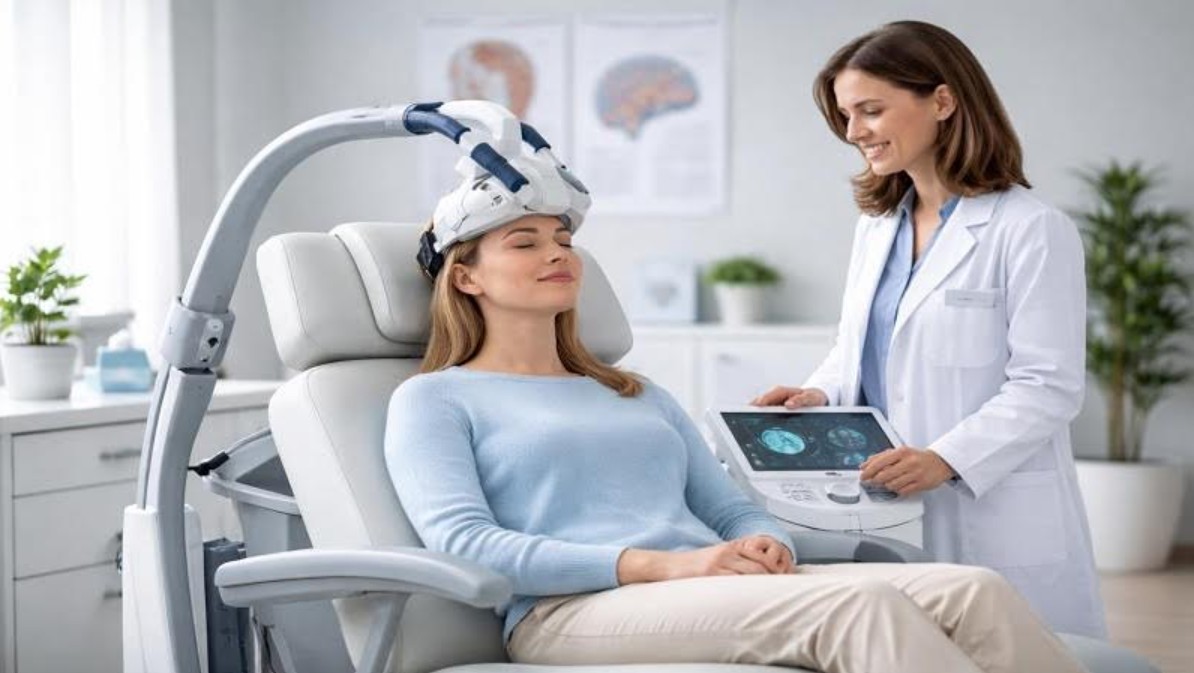
Transcranial Magnetic Stimulation (TMS) therapy has become an FDA-approved treatment option for individuals struggling with depression, particularly when traditional approaches like medication and talk therapy haven’t provided adequate results. TMS uses magnetic fields to stimulate specific nerve cells in the brain, offering a non-invasive alternative that can deliver symptom relief without the side effects often associated with antidepressants. With over 600 clinics now offering various forms of TMS treatment across the country, access to this technology has expanded significantly.
Finding quality TMS therapy nearby requires understanding what distinguishes effective providers from others in terms of technology, expertise, and treatment protocols. Different clinics may offer varying types of TMS equipment and treatment approaches, which can impact both the duration of sessions and the speed of results. The process typically involves multiple sessions over several weeks, making location convenience an important practical consideration.
Patients considering TMS therapy should know how it fits into their broader mental health treatment plan and what realistic expectations look like for their specific situation. This article explores how to identify the best TMS providers in one’s area, what factors contribute to faster relief, and how to integrate this therapy effectively with other mental health interventions.
Finding the Best TMS Therapy Near Me for Fast Relief
Transcranial magnetic stimulation offers a noninvasive approach to treating depression and other mental health conditions through targeted magnetic pulses. Selecting the right TMS provider involves understanding how the therapy works, determining candidacy, comparing treatment options, and evaluating provider credentials.
How TMS Therapy Works and Its Benefits
TMS treatment uses magnetic fields to stimulate specific nerve cells in the brain associated with mood regulation. A specialized device delivers gentle magnetic pulses through the scalp to targeted brain regions. These pulses activate neural pathways without requiring surgery or incisions.
The therapy typically requires sessions five days per week for four to six weeks. Each session lasts approximately 20 to 40 minutes. Deep TMS technology reaches broader brain areas compared to standard transcranial magnetic stimulation.
FDA-approved TMS has demonstrated effectiveness for treatment-resistant depression. Studies show that approximately one-third of patients achieve complete remission of symptoms. The procedure causes minimal side effects, with most patients experiencing only mild scalp discomfort during treatment.
Key benefits include:
- No systemic side effects like weight gain or sexual dysfunction
- No need for anesthesia or sedation
- Patients can drive and return to normal activities immediately
- Effective when antidepressants have failed
Who Is an Ideal Candidate for TMS?
Patients who have not responded adequately to antidepressant medications often qualify for TMS therapy. Healthcare providers typically recommend this treatment after at least one failed medication trial. The therapy suits individuals seeking alternatives to pharmaceutical interventions.
Ideal candidates include adults diagnosed with major depressive disorder who can commit to the treatment schedule. Patients must be able to sit still during sessions and tolerate the tapping sensation on the scalp.
Medical conditions that may prevent TMS treatment:
- Metal implants in or near the head
- Pacemakers or other medical devices
- History of seizures
- Certain neurological conditions
A licensed provider conducts thorough evaluations to determine appropriateness. The assessment includes medical history review, current symptoms evaluation, and previous treatment response analysis.
Comparing TMS Therapy to Other Treatments
TMS differs from traditional depression treatments in its mechanism and side effect profile. Antidepressants work systemically throughout the body, while transcranial magnetic stimulation targets specific brain regions. Talk therapy addresses thought patterns and behaviors rather than direct neurological stimulation.
Electroconvulsive therapy requires anesthesia and can cause memory issues. TMS produces no cognitive impairment and allows patients to maintain their regular schedules. Esketamine (Spravato) offers another alternative but requires monitoring after administration.
Accelerated TMS condenses treatment into one to five days with multiple daily sessions. Traditional TMS spreads sessions across several weeks. The accelerated approach may provide faster relief but requires significant time commitment during the treatment period.
Success rates vary by treatment type. Approximately 50-60% of TMS patients experience significant symptom improvement. Standard antidepressants show similar effectiveness rates, but TMS avoids medication-related side effects.
How to Identify and Choose a Reputable TMS Provider
Finding treatment starts with verifying provider credentials and experience. A licensed provider should have specific training in administering TMS therapy. Certification from professional organizations indicates specialized expertise.
Check whether the facility uses FDA-cleared equipment. Reputable centers maintain updated technology and follow established treatment protocols. Ask about the number of patients treated and success rates.
Important factors to evaluate:
- Years of experience providing TMS
- Staff qualifications and training
- Insurance coverage and payment options
- Location convenience and scheduling flexibility
- Patient reviews and testimonials
Contact multiple treatment programs to compare approaches and costs. Most centers offer free consultations to assess candidacy. During consultations, patients should ask about treatment duration, expected results, and potential side effects.
Verify insurance coverage before starting therapy. Many insurance plans now cover TMS for treatment-resistant depression. The provider’s billing department can confirm coverage and out-of-pocket costs.
Integrating TMS Therapy into Your Broader Mental Health Journey
TMS therapy works most effectively when combined with other evidence-based treatments and support systems. Patients benefit from pairing brain stimulation with psychotherapy, involving family members in the recovery process, and accessing national resources for ongoing mental and substance use disorders support.
Complementary Therapies: CBT, DBT, EMDR, and More
Cognitive Behavioral Therapy (CBT) addresses thought patterns that contribute to depression and anxiety, making it an ideal complement to TMS. Many patients attend CBT sessions during their TMS treatment course to reinforce positive neurological changes with practical coping strategies.
Dialectical Behavior Therapy (DBT) helps individuals manage intense emotions and improve relationships through mindfulness and distress tolerance skills. This approach particularly benefits those with co-occurring conditions alongside depression.
Eye Movement Desensitization and Reprocessing (EMDR) targets trauma-related symptoms that often underlie treatment-resistant depression. Combining EMDR with TMS can address both the neurological and psychological aspects of trauma.
Additional therapies include anger management programs for those whose depression manifests as irritability or aggression. Therapists often recommend a personalized combination based on individual symptoms and goals. Research indicates that patients who engage in psychotherapy alongside TMS show better long-term outcomes than those who pursue brain stimulation alone.
Support for Families and the Role of Family Therapy
Family therapy creates a supportive environment where loved ones learn about depression treatment and develop communication skills. Family members often struggle to understand TMS therapy and how to support someone through the treatment process.
Sessions typically focus on:
- Understanding the biological basis of depression
- Reducing stigma around mental health treatment
- Improving communication patterns
- Setting healthy boundaries
- Managing expectations during recovery
Families gain tools to recognize warning signs and provide appropriate support without enabling unhealthy behaviors. The therapist helps relatives understand that recovery is not linear and that TMS results may take several weeks to manifest fully. Many clinics offer educational sessions specifically for family members to answer questions about the treatment protocol and what to expect at home.
Utilizing National Resources for Mental Health Support
SAMHSA (Substance Abuse and Mental Health Services Administration) operates a national helpline providing continuous support for mental and substance use disorders. The service offers treatment referrals and information in English and Spanish.
The SAMHSA Treatment Locator helps patients find a therapist or TMS provider in their area through a searchable database of licensed facilities. This anonymous resource allows individuals to filter by insurance, location, and specialty services.
These tools help patients build a comprehensive support network beyond their primary TMS provider. Many individuals use these services to locate additional therapists for ongoing maintenance care after completing their TMS treatment course.