
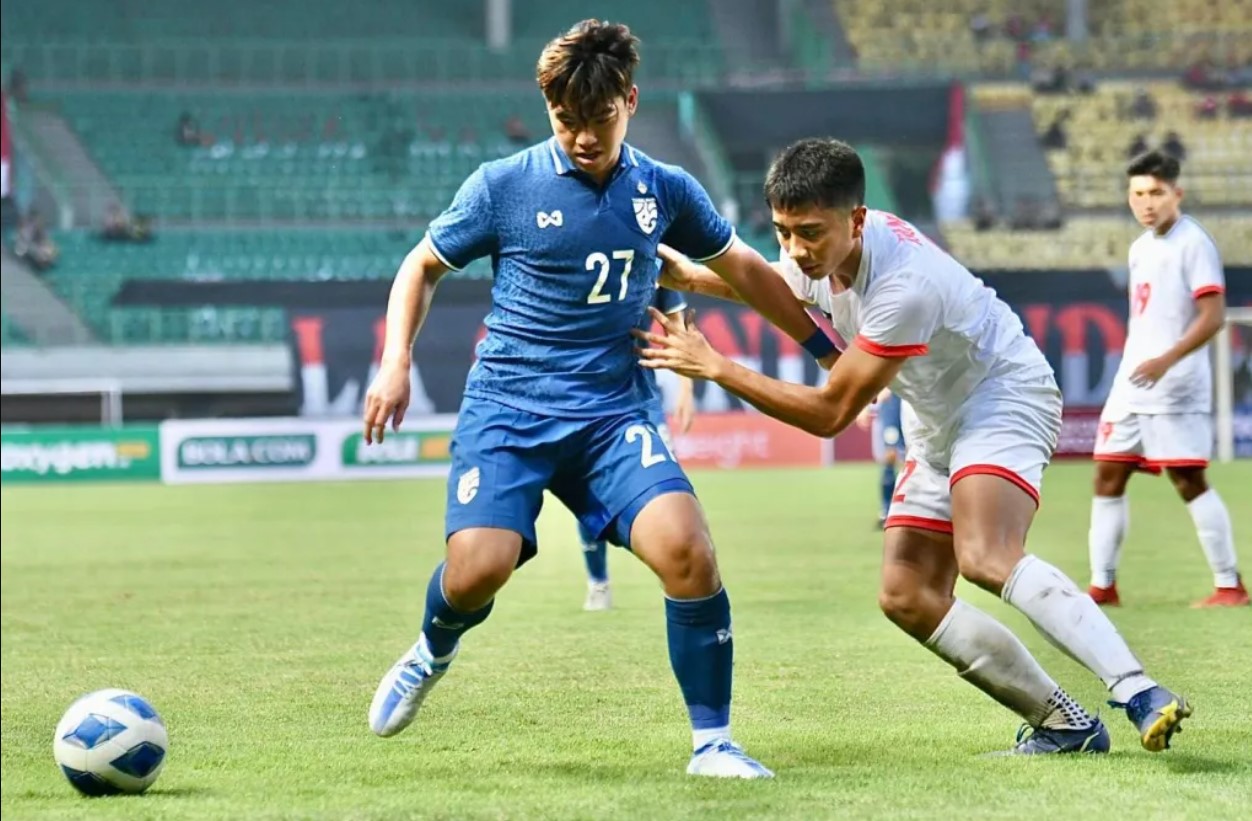
Player fitness is one of the most overlooked variables in pre-match analysis, yet it directly affects tempo, tactical execution, and overall match outcome. In the Thai League 2020/2021 season, where squad depth varies significantly, understanding player condition often explains performance shifts that raw statistics fail to capture.
Why Fitness Impacts More Than Just Physical Output
Fitness influences decision-making speed, positional discipline, and consistency across 90 minutes. A slightly fatigued player may still start a match but perform below optimal levels, affecting team structure.
This creates subtle but important changes. Passing accuracy drops, defensive reactions slow, and attacking movements lose sharpness. These small declines accumulate, often altering the flow of the game without obvious warning signs.
Key Indicators That Reveal True Match Fitness
Fitness is rarely communicated directly, so bettors must rely on indirect signals. These indicators provide insight into whether a player is fully ready or operating below peak condition.
Before identifying specific signs, it is important to understand that no single indicator is definitive. Accuracy comes from combining multiple observations.
- Reduced playing time in recent matches despite availability.
- Substitutions occurring earlier than usual.
- Visible decline in intensity during second halves.
- Limited involvement in high-impact actions such as sprints or duels.
When these patterns appear consistently, they suggest underlying fitness concerns rather than tactical decisions.
The Role of Match Scheduling and Recovery Time
Fixture congestion plays a major role in player fitness. Teams with tight schedules often rotate players or rely on partially recovered individuals.
How Scheduling Affects Performance
- Short recovery periods reduce physical output in consecutive matches.
- Travel demands increase fatigue, especially for away fixtures.
- Rotation disrupts team chemistry and tactical consistency.
- Accumulated fatigue raises injury risk and cautious play.
These effects are not always visible in team news but become evident in match behavior. Recognizing them helps anticipate performance drops before they appear in results.
Identifying High-Risk Fitness Situations
Certain match conditions increase the likelihood that fitness issues will influence outcomes. These situations often go unnoticed by casual observers.
Before listing them, it is important to focus on context rather than isolated data points.
- Teams returning from long travel with minimal recovery.
- Key players recently returning from injury without full match rhythm.
- High-intensity matches followed by short turnaround fixtures.
- Teams relying heavily on a small core of players.
These scenarios create vulnerability. Even strong teams may underperform when physical readiness is compromised.
Impact of Fitness on Tactical Execution
Fitness directly shapes how a team implements its strategy. High-intensity systems require sustained energy, while low-energy teams naturally shift toward conservative play.
A pressing team with fatigued players cannot maintain pressure, leading to more space for opponents. Similarly, attacking teams may struggle to convert chances when movement off the ball declines.
This shift often results in unexpected match patterns, such as slower tempo or reduced scoring opportunities, which can influence betting decisions significantly.
Market Awareness of Fitness Information
Fitness-related information is often partially reflected in odds, but not always accurately. Public data may lag behind actual player condition, especially in leagues with less media coverage.
In practical observation, users interacting with a sports betting service tied to ufa168 ทางเข้า sometimes encounter odds that do not fully account for subtle fitness issues. When key players are included in lineups despite reduced condition, markets may overestimate team strength, creating discrepancies between expectation and reality.
Comparing Fit vs Fatigued Team Profiles
To better understand how fitness affects performance, it is useful to compare team behavior under different physical conditions.
| Condition Type | Match Behavior | Betting Implication |
| Fully fit team | High intensity, stable output | Predictable performance |
| Slightly fatigued | Drop in second-half energy | Increased late-game risk |
| Heavily fatigued | Reduced tempo, defensive focus | Lower scoring potential |
| Rotated squad | Inconsistent structure | Higher unpredictability |
This comparison shows that fitness affects not just outcomes, but the nature of matches themselves. Understanding these differences allows bettors to align strategies with realistic expectations.
Psychological Effects of Fitness Levels
Physical condition also influences mental sharpness. Fatigued players tend to make slower decisions and are more prone to errors under pressure.
In broader behavioral contexts linked to casino online environments, similar patterns appear where fatigue reduces decision quality and increases risk-taking errors. Translating this into football highlights how tired players may lose positional awareness or make critical mistakes.
Recognizing this connection adds another layer to fitness analysis, extending beyond physical metrics into cognitive performance.
Building a Practical Fitness Evaluation Process
To use fitness as a reliable factor, bettors need a structured approach that integrates multiple signals rather than relying on assumptions.
Before placing a bet, a consistent process should include:
- Reviewing recent playing time and substitution patterns.
- Analyzing fixture schedules and recovery periods.
- Identifying key players returning from injury.
- Observing match intensity trends across recent games.
- Comparing expected performance with current physical indicators.
This framework ensures that fitness analysis remains grounded in observable data, improving accuracy and reducing reliance on speculation.
Summary
Player fitness in Thai League 2020/2021 significantly influences match dynamics, often in ways not immediately visible in statistics. By analyzing indirect indicators, scheduling context, and tactical impact, bettors can identify hidden weaknesses or strengths before the market fully adjusts. This deeper understanding transforms fitness from an overlooked factor into a practical tool for more accurate pre-match decisions.