
Big clinics often look unbeatable online. They have more locations, more reviews, more brand recognition, and usually a bigger marketing budget behind them. But local search does not reward size alone. It rewards clarity, trust, and relevance. A smaller practice can win the right searches by showing up consistently, answering the questions people actually have, and making it easy for a new patient to feel confident.
This guide breaks down practical, local-first strategies that help chiropractic practices compete in the same map results and “near me” searches as larger groups. The focus stays on real actions that influence appointments, not vanity numbers that look good on a report but do not fill the schedule.
Start With Local Intent, Not Generic Traffic
Local patients search differently from general readers. They look for care close to work or home, and they want signals that your practice is legitimate, convenient, and experienced with their concern. That means your site and listings should align with the ways people actually phrase problems, like back pain after lifting, neck stiffness from desk work, or a sudden flare-up that needs quick attention.
Competing with larger clinics starts by narrowing your target, not widening it. A smaller practice can feel more personal and more specialized, which is strength in local decision-making. When your pages speak clearly too specific needs and match local intent, you stop chasing random clicks and start attracting people who are ready to book.
Make You’re Google Business Profile a Patient-Ready Asset
Most people decide from the map pack before they ever visit a website. Your Google Business Profile has to do a lot of heavy lifting in a short amount of time. Accurate hours, correct categories, services that reflect what you actually provide, and a clean set of photos can turn a quick glance into a call.
Large clinics often win by volume, but you can win by sharp presentation. Add real images of the office, the front desk experience, and the care environment so a new patient knows what to expect. Keep your description clear, avoid vague claims, and update posts when you have useful announcements like new availability, extended hours, or a timely reminder about common seasonal issues.
Local Search Foundations for SEO for Chiropractors
A strong local foundation starts with consistency. Your name, address, and phone details should match everywhere they appear, including directories, social profiles, and healthcare listings. When those details drift, trust drops, and visibility can become unpredictable. Tight consistency is boring work, but it protects the very signals that help your practice appear in local results.
SEO for Chiropractors is not just “content.” It is also alignment across listings, the website, and the profile people see first. If your core details are clean, your category choices match your services, and your location signals are clear, your practice becomes easier to understand and easier to recommend by search platforms.
Build Service Pages That Feel Local, Not Copy-Pasted
Large clinics tend to publish broad, generic service pages that try to cover everything. A smaller practice can do better by writing pages that sound like a local provider who knows local patients. Your service pages should explain who the service is for, what a first visit typically includes, and what outcomes patients often care about, like improved mobility, less pain, or better daily comfort.
Make each service page feel complete on its own. Include a short explanation of the concern, common reasons people seek care, and what makes your approach thoughtful and safe. Then connect those pages to your booking flow with simple next steps. When your pages answer real questions clearly, people are more likely to book without shopping around.
Reviews That Compete With Big Brands
Reviews are not only a ranking signal. They are a trust shortcut. A smaller practice does not need thousands of reviews to compete if the reviews it has feel recent, detailed, and believable. Encourage feedback after a positive moment, like when a patient reports improved movement or relief they can feel in daily life.
Replying matters too. Calm, helpful responses show that your practice is active and attentive, even when feedback is not perfect. Potential patients read how you respond and decide whether you feel safe. A large clinic may look “popular,” but a smaller practice can look more human, more accountable, and easier to communicate with.
Content That Wins Nearby Searches without Sounding Salesy
Local content works best when it feels like guidance, not marketing. Instead of writing for broad topics that bring in readers from anywhere, focus on questions with a local decision behind them. Think “what to expect at a first chiropractic visit,” “how to choose a provider,” or “when pain becomes a reason to schedule care.” These topics build trust and help the reader imagine walking into your office.
Make the writing simple and specific. Use real-world scenarios that match how people live, work, and feel pain day to day. When your content feels like it came from a provider who understands the patient’s situation, you create confidence. Confidence is what turns local search visibility into appointments.
When to Hire a Chiropractor SEO Expert

At a certain point, doing everything in-house becomes stressful. You might know what needs improvement, but not what to prioritize, or you might feel unsure about technical issues that affect visibility. Hiring a Chiropractor SEO expert makes sense when you need a clear plan, tighter execution, and fewer wasted efforts, especially if your market is competitive.
The right specialist will not only talk about rankings. They will ask about calls, booked visits, the types of cases you want more of, and how patients typically find you. They should be able to translate local intent into page structure, profile improvements, and reputation building that aligns with real-world revenue, not just traffic.
How a Chiropractor SEO Expert Measures What Matters
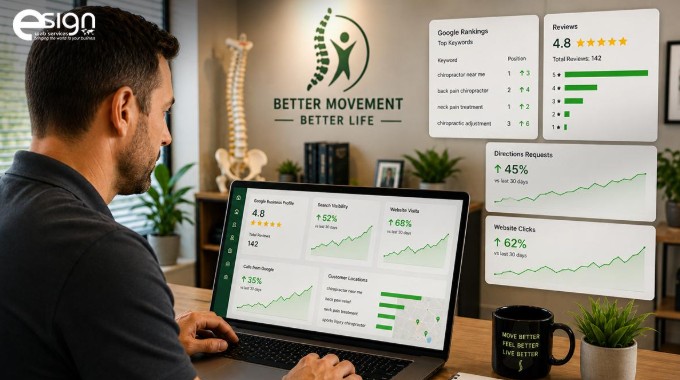
A useful measurement approach focuses on patient actions. Calls from the profile, direction requests, booking clicks, and contact form submissions tell you far more than generic visibility numbers. A good Chiropractor SEO Expert will connect these signals to the changes being made, so you understand what is improving and why it is improving.
They should also evaluate lead quality, not just volume. If you start receiving better-fit inquiries, fewer “price only” calls, and more people ready to schedule, that is real progress. When measurement stays tied to appointments and patient intent, you can invest with confidence and avoid chasing tactics that look impressive but do not support growth.
Authority Building with Organic SEO Services
Smaller practices often assume authority is only for big brands, but local authority is built differently. It comes from consistent business information, steady review activity, credible local mentions, and content that answers real questions clearly. Organic SEO services can support this by strengthening trust signals across your online presence, so you appear more consistently for the searches that lead to appointments.
Authority also grows when your website feels complete and reliable. That means clear service descriptions, useful supporting content, and a profile that reflects real patient experience. When these pieces align, you become the safer option in local results, even when a larger clinic has more locations and louder branding.
Choosing Organic SEO Services without Overpaying
Not all providers offer the same value, and “more deliverables” is not always better. The best fit is a team that understands local healthcare decision-making and can explain their plan in plain language. Organic SEO services should prioritize actions that influence real patient behavior, like profile improvements, content clarity, and trust-building signals that reduce hesitation.
Look for transparency in what they will do and why it matters. A solid partner will set expectations, explain what takes time, and show how progress will be tracked. Avoid providers who promise instant wins or rely on vague reporting. Your practice needs steady, credible growth that supports bookings, not a short-lived spike.
Conclusion
Chiropractic practices can compete with large clinics by leaning into what local patients actually want: clear information, fast trust signals, and an easy path to book. When your profile is complete, your reviews feel real, your service pages answer the right questions, and your local signals stay consistent, you can win high-intent searches even in crowded markets. The advantage is not size, it is clarity and confidence at the moment the patient is choosing.
For practices that want a stronger local presence without guesswork, eSign Web Services can support that goal. Their team can help tighten local visibility, improve patient-ready content, and build a practical plan that matches how people search and schedule care, using their ideas to focus on steady growth that leads to real appointments.
Frequently Asked Questions
Question: How long does it take for local changes to impact appointment flow?
Answer: Some updates can influence results quickly; especially profile fixes and review improvements. Other changes, like new service pages and stronger local authority, typically take longer to show consistent momentum. The key is tracking patient actions, not just visibility. Watch calls, booking clicks and direction requests over time. Those signals usually tell the real story sooner than broad traffic numbers. Consistency week to week is what makes results stick.
Question: What matters more for local growth: the website or the Google Business Profile?
Answer: Both matter, but the profile often drives the first decision. Many people call directly from the map results, especially on mobile. The website supports deeper trust, answers questions, and helps people commit. A strong approach treats them as a pair. If one looks weak, it can reduce confidence even when the other looks strong. Patients usually check both before they choose.
Question: How can a smaller practice compete with a clinic that has many reviews?
Answer: You do not have to match volume if your reviews feel recent, detailed, and consistent. Encourage patients to mention what they appreciated, like communication, comfort, or how the visit felt overall. Keep your photos real and updated so your practice feels active. Respond thoughtfully to feedback, since many people read responses before they call. A steady stream of honest reviews builds trust faster than a big number alone.
Question: What type of content helps local patients decide faster?
Answer: Content that explains what to expect, who care is for, and how to choose a provider tends to convert well. Local readers want clarity, not medical jargon. Service pages should feel specific and calm, with simple next steps. Helpful supporting articles can reduce hesitation and build confidence. The goal is to answer the second question after the search, which is usually “Is this place right for me?” Make it easy for them to picture the visit.
Question: What should a practice track to know if local work is paying off?
Answer: Track actions tied to intent: calls, booking requests, messages, and direction requests. Also, pay attention to inquiry quality, like whether callers are ready to schedule or are still unsure. Compare these trends to the updates you make, so you know what driving improvement is. When more people reach out with clear intent, which is usually the strongest sign that local strategy is working. Keep a simple monthly snapshot to spot patterns.