
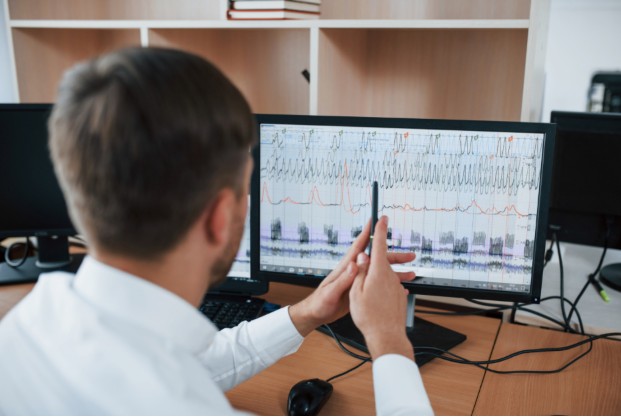
For nearly seven decades after its invention, the polygraph instrument relied solely on basic analog functionality. But that all changed with the emergence of digital technology in the ’90s.
The modern polygraph equipment no longer depends on paper-based data visualization systems. Examiners now utilize advanced computer software in recording and interpreting data, streamlining the process.
While digital technology has revolutionized polygraphy in diverse ways, improved test accuracy is arguably the most outstanding benefit.
Read on as we share invaluable insights on how computerized lie detector instruments have enhanced the reliability of polygraph tests.
1. Introduction of Advanced Sensors
Analog polygraphs utilize mechanical pens and tubes, which capture physiological data and record it on a paper-based medium known as a polygram.
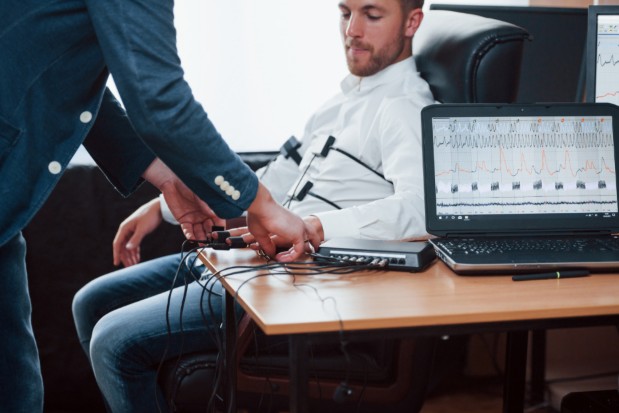
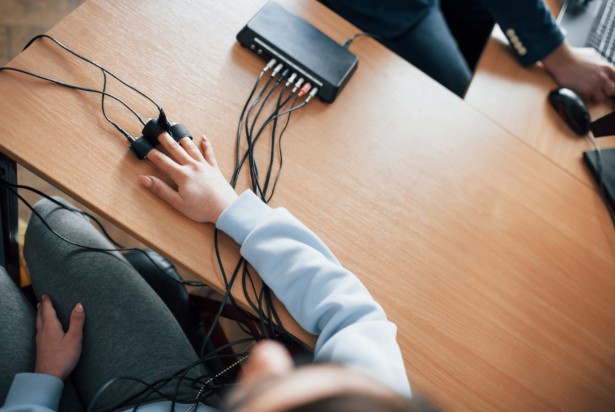
In contrast, modern lie detector equipment relies on high-precision electronic sensors. Each sensor attaches to a small computerized device powered by digital recording software and a display screen.
Switching from mechanical to digital sensors has simplified data capture and visualization, enhancing polygraph test accuracy. According to the American Polygraph Association (APA) and the American Society for Testing and Materials (ASTM), a polygraph instrument should comprise the following core components;
- Blood pressure cuffs and sphygmomanometers with a bulb – For measuring blood pressure and heart rate
- Pneumograph sensors – For tracking breathing rate
- Electrodermal sensors – For monitoring skin conductivity
- Motion sensors
- Computer Interface Module
- Appropriate data analysis software
Some polygraph instruments may also feature add-ons like blood pressure thumb cuffs and plethysmograph. All these components work synergistically to improve data recording and analysis.
2. Real-Time Data Processing
Before the advent of digital technology, polygraph examiners would only interpret polygraph data during the post-test phase.
This meant that, once a test was in progress, polygraphers would not stop midway to check for anomalous patterns. They had to endure the entire test duration and then begin analyzing the polygram output from scratch.
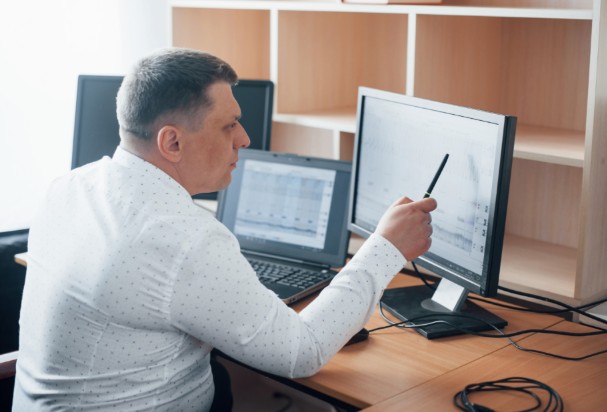
Computerized systems have since addressed those inconveniences by displaying physiological responses on a computer screen in real time. With immediate feedback, examiners can visualize the data and fine-tune the process on the go.
3. Computerized Data Analysis Algorithms
Data analysis is the foundation of polygraph testing. While more data points are desirable, examiners prefer instruments that streamline data output and analysis.
Computerized polygraph systems are based on advanced algorithms that track physiological reactions instantly. Examiners can compare each reaction against pre-recorded baselines, minimizing subjective interpretations.
In contrast, analog systems are rather time-consuming. Taking more time to analyze different datasets may lead to subjective interpretations and impact the overall test accuracy.
4. Semi-Automated Scoring For Higher Accuracy
Polygraph data interpretation isn’t entirely automated. While alternative technologies like Computer Voice Stress Analyzers (CVSAs) rely on fully automated data analysis systems, lie detector tests require human intervention for more objective interpretations.
That said, modern polygraphs feature digital scoring algorithms for enhanced accuracy. A noteworthy mention is the Lafayette LX5000 System, an APA-approved high-resolution data acquisition system that records at least nine channels simultaneously.
Using semi-automated polygraph scoring technologies reduces examiner bias while allowing for more objective inferences. It’s a step-up from traditional lie detector equipment, which requires analyzing the polygram data manually.
5. Enhanced Data Storage and Retrievability
Contrary to the misconception, polygraph data isn’t destroyed instantly. The records are typically retained for future reference, cross-referencing, and peer reviews.
In fact, the APA mandates examiners to store polygraph findings for at least three years. During this period, the reports can only be disclosed to authorized individuals specified in the examinee’s consent forms.
Computer technology has streamlined the sharing and retrievability of polygraph data. Unlike paper records, which may deteriorate over time, digital files can remain intact for years.
Besides, digital files are remarkably portable. Clients don’t have to haul bulky documents when traveling with their polygraph records out of state or overseas.
More importantly, digital data is more tamper-proof than manual file entries. Provided you store the files in hacker-proof, access-controlled platforms, the information remains safe and accurate.
Other Tips for Improving Polygraph Reliability
1. In-depth preparation
Examinees should prepare adequately for each test by;
- Getting familiarized with the subject under investigation
- Getting acquainted with the procedure
- Avoiding things that could cause discomfort or nervousness – stimulant foods, tight clothing, alcohol, antidepressants, poor sleep, etc.
2. Proper question framing
Examiners should follow APA-approved question formats.
For instance, in-test queries should be closed-ended, eliciting flat Yes or No replies. The questions should also be concise, objectively framed, and non-accusatory.
3. Proper data interpretation
Digital technology augments, rather than replace, human effort. Therefore, examiners still play a critical role in polygraph data interpretation.
To make correct inferences, examiners must compare the magnitude of responses to Control and Relevant questions against pre-established physiological baselines. A stronger response pattern to Control questions indicates truthfulness, while the converse suggests deception.
Elevating Polygraph Accuracy With Digital Technology
Digital technology has transformed polygraphy by improving data recording and visualization. Computerized lie detector tests utilize high-precision sensors, which capture examinees’ physiological responses more accurately than mechanical tubes.
Besides, advanced polygraph sensors allow for real-time data visualization. Examiners can analyze feedback without interfering with the original data recordings. The use of standardized scoring algorithms, such as the Empirical Scoring System (ESS), streamlines data analysis by emphasizing validated physiological features.
However, we should emphasize that a polygraph’s reliability depends primarily on the examiner’s experience. Even with the most sophisticated digital machines, it’s prudent to have an APA-certified examiner administer all lie detector tests.