
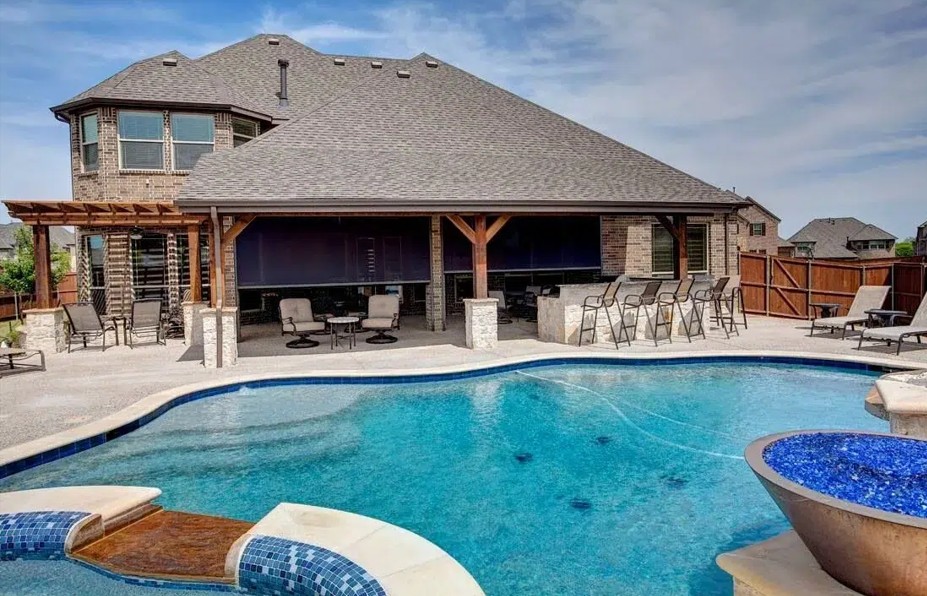
A screen in pool enclosure is more than just a decorative addition to your backyard; it’s a functional upgrade that provides protection, comfort, and increased usability of your swimming area. Whether you live in a hot, humid region or a cooler, temperate climate, choosing the right screen enclosure can make a significant difference in your pool experience. In this article, we’ll explore the benefits of screen pool enclosures, how climate affects their performance, and what to consider before installation.
What is a Screen in Pool Enclosure?
A screen in pool enclosure is a framed structure, typically made of aluminum or other corrosion-resistant materials, covered with mesh screens that surround your pool area. These enclosures serve multiple purposes:
- Keep insects and pests out
- Reduce debris like leaves and dirt from entering the pool
- Provide shade and UV protection
- Enhance safety by restricting access
- Extend the swimming season in cooler climates
Modern enclosures can be fully customized to fit the size of your pool and patio, and screens come in various densities, allowing you to balance airflow, visibility, and sun protection.
How Climate Influences Pool Enclosure Choices
Your local climate is one of the most important factors to consider when installing a screen in pool enclosure. Different climates demand different materials, screen types, and construction methods. Let’s break it down by common climate types.
1. Hot and Humid Climates
Regions like Florida, Texas, and other southern U.S. states experience high temperatures and humidity levels year-round. In these areas, screens should prioritize ventilation and sun protection.
- Screen Material: Fiberglass or polyester-coated screens are common because they resist mold and mildew, which thrive in humid environments.
- Design Considerations: High ceilings and wide openings improve airflow, reducing heat buildup inside the enclosure.
- Additional Benefits: Enclosures in humid climates help reduce the number of mosquitoes and other insects, which are more active in warm, wet conditions.
A 2023 study by the National Pest Management Association reported that homes with screened pool areas experienced 60% fewer insect-related complaints than those without.
2. Temperate Climates
In areas with mild temperatures, such as parts of California or the Pacific Northwest, your main concern may be debris from seasonal winds and occasional rain.
- Screen Material: Aluminum frames with standard polyester mesh work well, offering durability and low maintenance.
- Design Considerations: Enclosures don’t need heavy-duty ventilation but should include optional retractable panels for occasional sun or rain exposure.
- Extra Tip: Incorporating a retractable or partially removable screen can maximize sunlight during cooler months while keeping debris out in the fall.
3. Cold Climates
For cooler regions, including northern states where winter temperatures drop below freezing, a screen in pool enclosure may serve more as a wind and safety barrier than a heat shield.
- Screen Material: Vinyl-coated screens or polycarbonate panels can help trap heat if you plan to use a heated pool.
- Design Considerations: Solid roofing or partial glazing may be added to retain warmth, while still keeping the benefits of a screen for insects in warmer months.
- Seasonal Use: Many homeowners in colder climates pair the screen enclosure with a pool cover to protect the water during winter.
According to a 2022 survey by the Pool & Hot Tub Alliance, homeowners in colder regions reported a 35% increase in swimming season length when using screened and partially enclosed pool areas with heating.
Benefits of a Screen in Pool Enclosure Across All Climates
Regardless of where you live, a screen in pool enclosure offers universal benefits:
- Safety: Reduces the risk of children or pets accidentally entering the pool.
- Reduced Maintenance: Keeps leaves, dirt, and debris out, cutting cleaning time by up to 50%.
- Pest Control: Acts as a barrier against mosquitoes, flies, and other insects.
- Energy Efficiency: Can reduce chemical evaporation and maintain water temperature, lowering energy costs if your pool is heated.
- Privacy: High-quality screens provide visual privacy without blocking natural light.
Choosing the Right Screen Enclosure for Your Climate
When planning your enclosure, consider the following:
- Screen Type: Fine mesh screens for insect-heavy areas, or UV-resistant mesh for sunny regions.
- Frame Material: Aluminum for corrosion resistance, vinyl-coated steel for extra durability, or wood for aesthetic appeal (less common).
- Roofing Options: Fully screened, partially solid, or solid with retractable mesh, depending on sunlight, wind, and snow load considerations.
- Professional Installation: Hiring an experienced installer ensures that your enclosure can withstand local weather conditions, from high winds to snow loads.
Maintenance Tips for Longevity
To ensure your screen enclosure lasts for decades:
- Clean screens with a mild detergent every 6–12 months.
- Inspect the frame for rust or damage, especially in coastal or humid climates.
- Trim nearby trees to prevent damage from falling branches.
- Repair small tears in the mesh promptly to prevent them from spreading.
Regular maintenance not only preserves the enclosure’s appearance but also enhances its functionality and safety.
Final Thoughts
A screen in pool enclosure is a smart investment that enhances comfort, safety, and usability of your swimming pool year-round. By understanding how your local climate affects your enclosure choice, you can enjoy a functional and low-maintenance pool area that meets your needs. Whether you live in a hot, humid, temperate, or cold region, proper planning and professional installation ensure that your screen enclosure provides maximum benefit and long-term enjoyment.
If you’re considering upgrading your pool area, factoring in climate-specific requirements can save you money, reduce maintenance, and create a more enjoyable swimming experience for years to come.