
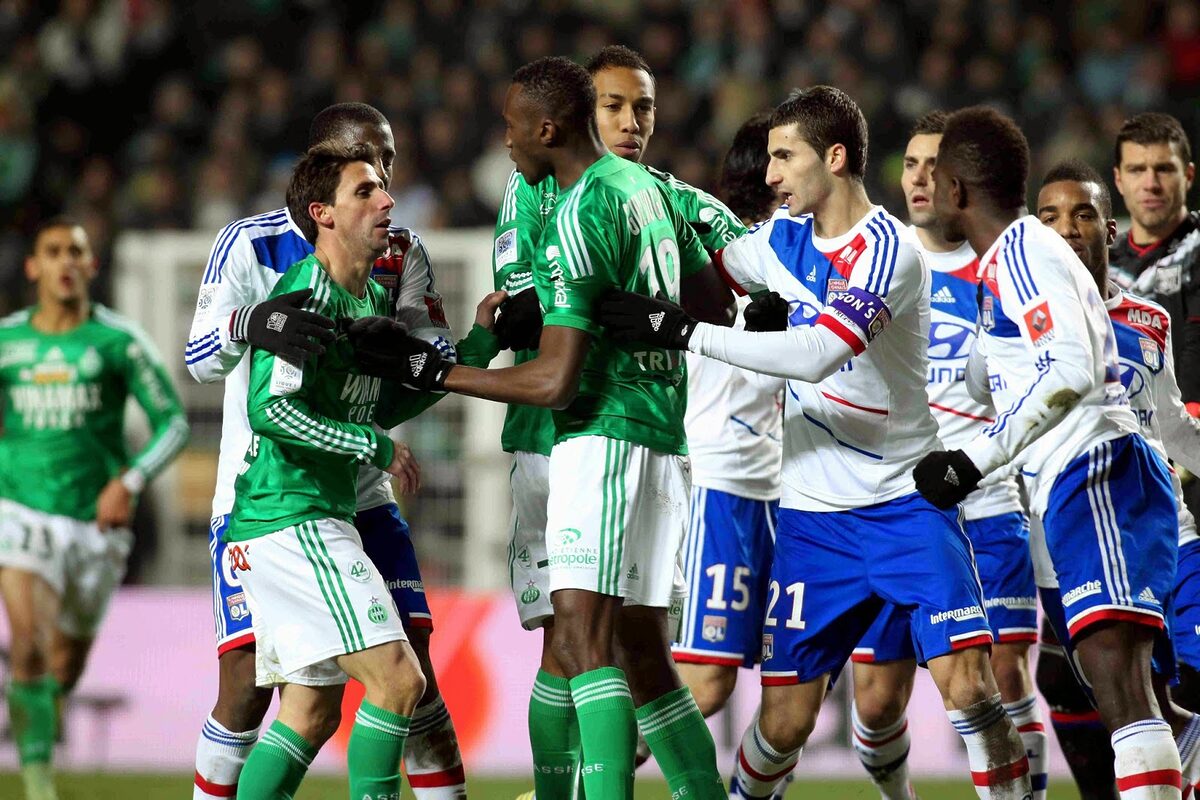
In the vast and multi-billion dollar world of modern football, where global branding and international fanbases often take center stage, there is one element that remains fiercely local. The derby match represents the purest essence of the sport. It is a collision of history, geography, and social identity that transcends the importance of league standings or trophy cabinets. For a few hours, a city is divided and the outcome of a single match determines the emotional climate of a community for months to come. These rivalries are the lifeblood of European club football, providing the friction and passion that make the game truly meaningful.
The Historical Foundations: Geography and Social Class
The word “derby” itself has roots that predate professional football, but in the context of the beautiful game, it almost always refers to a clash between two teams from the same city or region. The intensity of these matches usually stems from the historical conditions under which the clubs were founded.
The Divided Cities
Many of the most famous derbies are born from simple geographic proximity. In cities like London, Liverpool, or Manchester, football clubs were often formed by local churches, factories, or social clubs within specific neighborhoods. As these clubs grew and professionalized, they became symbols of their respective districts. A match between them was not just a sporting event but a battle for territorial dominance. This proximity created a “nosey neighbor” dynamic where fans lived and worked alongside their rivals, making the consequences of defeat inescapable in daily life.
Religious and Political Undercurrents
Beyond mere geography, many European derbies are fueled by deep-seated social divisions. In Glasgow, the “Old Firm” rivalry between Celtic and Rangers is inextricably linked to religious identity and historical political stances. Similarly, in Spain, the rivalry between Real Madrid and FC Barcelona (El Clásico) is often seen as a symbolic struggle between the centralized Spanish state and Catalan regional identity. These matches carry a weight that far exceeds what happens on the pitch because they represent the lived experiences and historical grievances of the people who support them.
The Psychological Dimension: More than Just Three Points
For players and supporters alike, a derby match requires a completely different mental approach than a standard league fixture. The pressure is magnified by the knowledge that the local community is watching with an uncompromising level of expectation.
The Burden of Local Bragging Rights
Winning a derby is about “bragging rights.” This term might sound trivial, but in football culture, it is everything. It is the ability to walk into a workplace or a school on Monday morning with a sense of pride while the rival supporters remain silent. This social dynamic creates a unique kind of stress for players. A striker might have a poor season, but if they score the winning goal in a local derby, they can become an instant legend. Conversely, a mistake in a derby can haunt a player’s reputation for years.
Rituals and Traditions of Matchday
The atmosphere leading up to a derby is characterized by specific rituals that have been passed down through generations. From the specialized chants to the elaborate “tifo” displays in the stands, every detail is designed to intimidate the opponent and galvanize the home crowd. For those who cannot be inside the stadium, the digital experience has become a crucial part of the ritual. Many fans seek out a high-quality 전국티비 중계 to ensure they do not miss a single second of the pre-match tension and the tactical opening exchanges. This collective viewing experience, whether in a local pub or through a digital stream, reinforces the communal bond of the fanbase.
Legendary European Rivalries Analyzed
To understand the anatomy of a derby, one must look at the specific examples that have defined the European game. Each rivalry has its own unique flavor and set of stakes.
The North London Derby: Arsenal vs. Tottenham
This rivalry is a perfect example of geographic friction. When Arsenal moved from South London to Highbury in 1913, they entered Tottenham’s traditional territory. This “invasion” sparked a resentment that has lasted for over a century. The matches are traditionally high-scoring and chaotic, reflecting the desperate desire of both clubs to be recognized as the premier power in North London. The tactical battles often take a backseat to raw emotion and physical intensity.
The Derby della Madonnina: AC Milan vs. Inter Milan
The Milan derby is unique because both clubs share the same legendary stadium, the San Siro. Despite sharing a home, the two clubs represent different historical social classes. Inter was traditionally the club of the “bourgeoisie” or the wealthy middle class, while AC Milan was the club of the “proletariat” or the working class. Although these class distinctions have blurred in the modern era, the cultural identities of the two clubs remain distinct, making their semi-annual meetings a sophisticated but intense showcase of Italian football.
The Revierderby: Dortmund vs. Schalke
Located in the industrial heartland of Germany, the rivalry between Borussia Dortmund and Schalke 04 is built on a shared heritage of coal mining and steel production. The fans of both clubs take immense pride in their working-class roots. The Revierderby is often described as the most intense match in Germany, characterized by a wall of sound and a level of passion that makes it one of the most respected rivalries in the world. Even when the teams are at opposite ends of the table, the derby remains a contest of equals.
The Commercial Impact of High-Stakes Rivalries
While the fans care about history and pride, the business side of football recognizes derbies as “premium content.” These matches are the most-watched events in the sporting calendar, attracting massive global television audiences and sponsorship deals.
Global Marketing and “Super Sunday”
Broadcasters like Sky Sports and DAZN often build their entire marketing campaigns around derby weekends. They understand that even a casual fan in Asia or North America will tune in to see a Liverpool vs. Everton match or a Rome derby. This global interest generates significant revenue for the leagues, which is then redistributed to the clubs. However, this commercialization has created a tension with local fans who fear that the “globalization” of their rivalry might dilute the authentic atmosphere of the match.
Impact on Ticket Demand and Club Revenue
Derbies are guaranteed sell-outs. For many clubs, the ticket revenue and hospitality sales from a single derby match can equal the combined income from three or four standard home games. This financial importance gives clubs an incentive to maintain the intensity of the rivalry, even as they seek to build more “modern” and “family-friendly” images for international markets.
The Role of the Academy in Preserving Rivalry
In an era of global transfer markets, many players are “mercenaries” who move between leagues and countries with little understanding of local history. This is where the club academy becomes vital.
Homegrown Players as Cultural Carriers
When a player grows up in the club’s youth system, they are steeped in the traditions of the rivalry from a young age. They understand what a derby means to the local butcher, the taxi driver, and the schoolteacher. When these players reach the first team, they act as “cultural carriers” who educate the international signings about the importance of the match. Seeing a local boy celebrate a derby goal provides a level of emotional resonance that a foreign superstar can rarely replicate.
Maintaining the Identity in a Changing World
As football continues to change, with new rules and evolving tactics, the local derby remains an anchor. It connects the multi-millionaire athletes of 2026 to the factory workers who started the clubs over a hundred years ago. The academy ensures that the flame of the rivalry is never extinguished, providing a bridge between the past and the future.
The Future of the Derby in a Globalized Game
As we look toward the future, the nature of the local derby faces new challenges. The rise of social media and the “player-first” culture means that rivals often interact in a friendly manner off the pitch, which some older fans believe reduces the “edge” of the competition.
Social Media and the Digital Rivalry
The battle for city dominance now takes place on X, TikTok, and Instagram as much as it does on the pitch. Digital banter and viral moments have created a new layer of the rivalry that exists 24/7. While this keeps the conversation going, it also changes the tone of the conflict. The modern derby is a mix of traditional stadium passion and digital global entertainment.
The Resilience of Local Passion
Despite the commercialization and the digital noise, the core of the derby remains untouched. As long as two teams share a city and as long as fans have a sense of belonging to a specific community, these matches will continue to be the highlight of the season. The tactical systems might change and the stadiums might become more luxurious, but the feeling of scoring a last-minute winner against your biggest rival is a constant that will never change.
The beauty of the derby lies in its ability to make the world feel small and personal again. In a globalized society, the chance to stand with your neighbors and defend your territory is a powerful human instinct. It is this instinct that ensures that the local derby will always remain the true soul of European club football. The history is long and the grudges are deep, but that is exactly why we love it.