
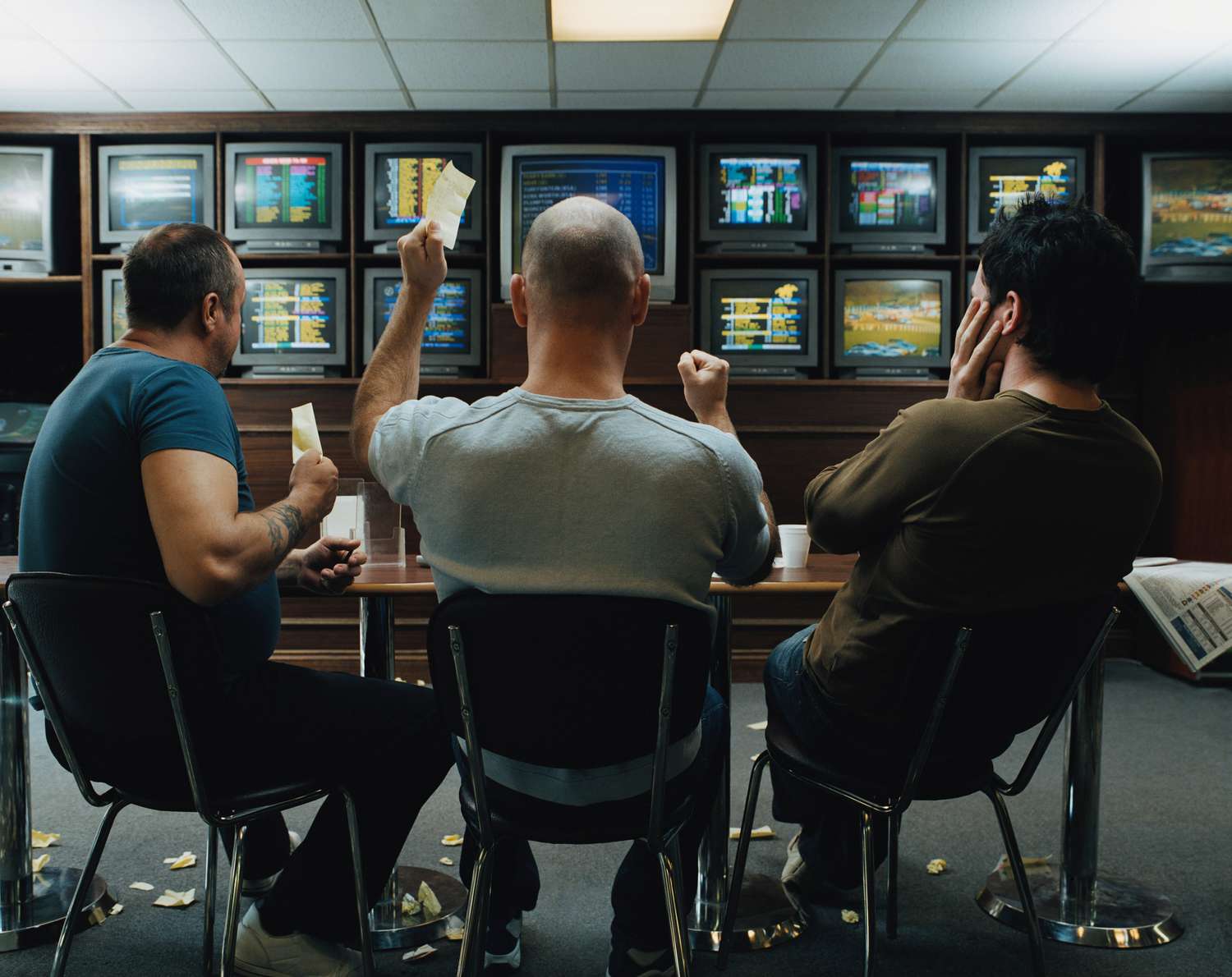
A team can look good on paper and still be a bad bet. That is the thing people forget. They see the bigger name, the stronger squad, the star player, the recent wins, and the decision feels easy. But sport is rarely that tidy. A team is not only its best player or its last result. It is habits, pressure, timing, fatigue, confidence, and the kind of opponent standing in front of it. That is where sports betting becomes more than picking the side most likely to win.
The Badge Can Be Misleading
Big teams attract money because people know them. That happens in football, basketball, tennis, Formula 1, almost everywhere. The famous side feels safer. The price gets shorter. The bet with sport bet Zambia feels obvious. Sometimes the obvious side wins. That does not always mean it was a good bet. A football club might dominate possession but struggle against a deep defence. A basketball team might have the better roster but be tired after travel. An F1 driver might have the faster car, but not for that track. The name gets attention, but the matchup decides the value. That is the part casual bettors often skip.
Teams Have Personalities
Some teams start fast and fade. Some need twenty minutes to settle. Some love chaos. Some hate it. Some are calm with a narrow lead. Others invite trouble the moment they stop attacking. These patterns matter. A team that presses high can look brilliant until the opponent breaks through the first line. A side that lives on crosses may create noise without creating real chances. A defensive team may look passive, but actually be getting exactly the match it wants. The scoreboard can hide that for a while. The shape of the game usually shows it earlier.
Pressure Changes Good Teams
A team chasing a title does not play like a team with nothing to lose. A national side in a World Cup opener does not always play like it does in qualifying. A favourite in a final can become more careful than its usual self. That is why betting only from form can be risky. Form tells you what a team has been. Pressure tells you what it may become today. Some teams carry pressure well. They slow the game, take fewer risks, and trust their structure. Others get restless. They shoot too early, foul too often, and start forcing passes that were not there. You can feel it in a match before the goal comes.
The Smaller Team Is Not Always the Weak Side
A smaller team does not need to be better to be interesting. It only needs the game to suit its plan. If it can stay compact, waste no energy, defend the box and make the favourite impatient, it has already changed the match. That can matter for handicaps, totals, cards, corners, or live markets. This is common in tournament football. One draw can be useful. One narrow loss can keep goal difference alive. A team that knows its limits can sometimes be easier to trust than a favourite that thinks the game should open just because it has better players.
The Read Comes Before the Bet
Good sports betting is not only about knowing teams. It is about knowing when the market has misunderstood them. A team in good form may be overpriced. A team after a poor result may be better than the table says. A favourite may win but not cover. An underdog may lose and still have been the right side of the bet. That is the art of it. Not chasing the loudest team, not trusting the badge, not treating every match like a simple ranking exercise. The better question is always quieter: what kind of game does this team want, and is today’s opponent likely to let them have it?